Approachability
Real answers from clinical advisors who can explain device choices without hiding behind jargon.

Twelve years inside large device service organizations taught our founder that many mid-sized facilities were not asking for more complexity. They wanted equipment plans that were honest, serviceable, and understandable to the people who actually keep rooms running.
The first clinic we supported had a beautiful new dental suite, but the sterilization flow was hidden behind a door that opened into a crowded supply corridor. The equipment looked correct on paper. The workflow did not work for assistants, infection prevention, or service technicians. That experience shaped the way Btl thinks about commercial medical devices: a product is only useful when the room, the staff, the service plan, and the purchasing logic all fit together.
Btl was created for clinical teams that want a more approachable path through equipment selection. We focus on dental and oral health equipment, consumables, and infection control products because these categories touch daily workflow in immediate ways. A scanner can change appointment timing. An autoclave can affect turnover. PPE storage can influence compliance. A service plan can protect revenue on a busy day.
Our advisors speak with operations leaders, dental directors, biomedical teams, infection prevention staff, and sourcing managers before a recommendation is made. That conversation-first model helps avoid the familiar problem of buying a device before anyone has agreed how it will be installed, cleaned, supported, documented, and eventually replaced.
"Quality care does not end at the academic medical center."Founder, Btl
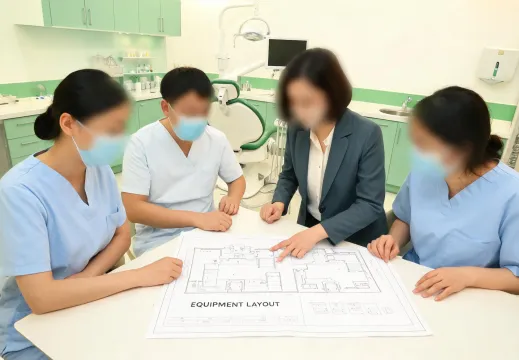
Btl planning sessions are built for facilities that need dependable equipment without a full corporate project office. We help translate everyday operational details into purchasing documents that are easier to defend.
Small sites often inherit the least flexible device plans. Btl helps those teams plan portable supplies, service access, user training, and standard kits that remain manageable when staffing changes.
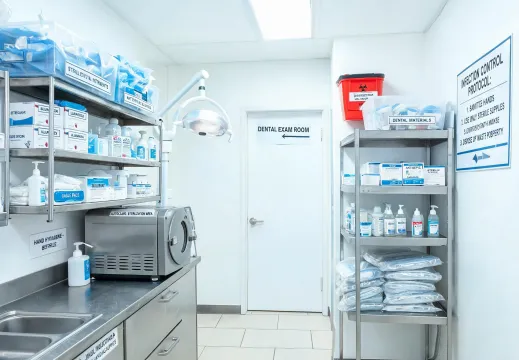
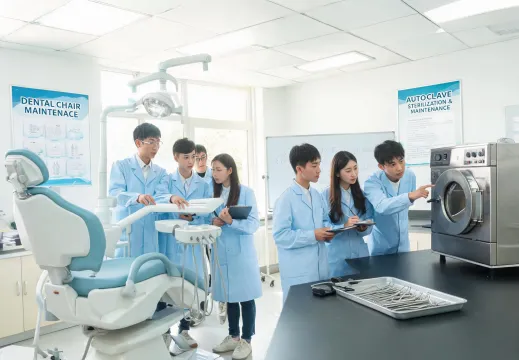
We believe equipment adoption should outlast the first implementation meeting. Job aids, superuser notes, and simple service records help the next staff member understand what was installed and why.
Bring a replacement list, a new room plan, or an infection control concern. We will help organize the discussion into devices, supplies, services, and next decisions.